
Unhappy with your item? We offer no-quibble free returns

Sourced through ethical and sustainable accreditations

£3.95 standard UK shipping, or free shipping over £20

Every purchase you make supports wildlife
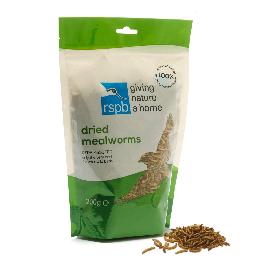
Dried mealworms for birds
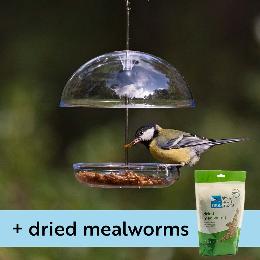
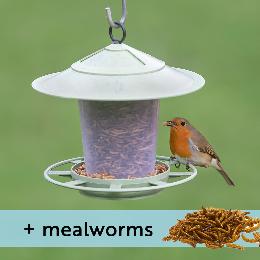
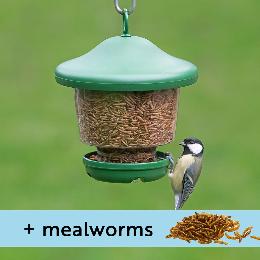
A valuable source of protein and calories, particularly during the hectic breeding season and through colder weather, mealworms for birds can be sprinkled into some feeders or onto the ground.
Our mealworms are supplied in resealable pouches for year-round use. They're popular with insect-loving birds such as Blackbirds, Robins and tits.


Mealworms for birds FAQs
Are mealworms good bird food?
Mealworms are a great source of natural, nutritious food for birds. Packed with healthy fat, protein and fibre that help strength and growth, mealworms make great bird food that feeds hungry birds all year round. You can also add mealworms to dried bird food such as seed mixes to create a more varied and attractive offering around your feeder.
What birds eat dried mealworms?
Soft-billed and perching birds love to eat mealworms — so watch out for these birds around your feeder:
- Robins
- Blue Tits
- House Sparrows
- Starlings
- Thrushes
- Blackbirds
Many other varieties of birds also eat mealworms if they’re available, which makes them a great food for attracting birds all year round.
Dried mealworms vs live: Which are best for birds?
Both dried and live mealworms are nutritious foods for birds, providing valuable protein, fat and fibre. Live mealworms naturally contain much more water, but once dried mealworms have been soaked, they provide a similarly nutritious and moisture-rich alternative.
Live mealworms may attract birds more readily because they move, while dried mealworms are easier to store and offer. This is mainly a difference in convenience and appeal rather than a significant difference in their value as a supplementary bird food.
During spring and summer, soak dried mealworms in water before offering them. This increases their moisture content and makes them softer and easier for adult birds to feed to their chicks. Offer mealworms in small amounts and clear away anything uneaten by dusk.