
Unhappy with your item? We offer no-quibble free returns

Sourced through ethical and sustainable accreditations

£3.95 standard UK shipping, or free shipping over £40

Every purchase you make supports wildlife
Suet for birds
Suet is a great option for garden birds. Rich in energy and suitable for year-round feeding, RSPB Super suet is resistant to melting in warm weather. It’s made from high-quality ingredients and doesn’t contain any cheap fillers like chalk (calcium carbonate).
Our Super suet recipe is bursting with fat and protein, providing extra nutrition for garden birds – which is particularly important during the winter and the breeding season. From Super suet pellets to Super suet fat balls, we have a range of versatile products that birds love.


Cleaning advice
It is vital you regularly clean your bird feeders to help prevent the spread of disease. A thorough clean at least once a week is recommended to keep birds safe. Take a look at our bird safety and hygiene products for advice on keeping feeding areas nice and clean.
Suet for birds FAQs
What is the best type of suet for birds?
The best type of suet depends on the feeder you use and the birds you want to attract. Suet balls and cakes are designed for dedicated hanging feeders, while smaller suet pellets can be offered in a suitable pellet and peanut feeder and are easy for a wider range of birds to eat.
Whichever format you choose, look for a high-quality, energy-rich suet containing nutritious ingredients such as sunflower hearts, seeds, peanuts or mealworms, rather than low-quality fillers. Offering more than one format can help attract a greater variety of birds.
RSPB Super suet is full of fat and protein, providing extra nutrition for garden birds. It is also resistant to melting in warm weather and comes in fully recyclable packaging.
Follow current RSPB guidance on safe feeding and avoid placing food on flat surfaces where food and droppings can build up.
What are the different types of suet for birds?
The main types of suet for garden birds are suet balls (fat balls), suet cakes, suet pellets and suet-filled coconut shells. The best option depends on the feeder you use. All of these species enjoy suet:
- Blue Tits
- Great Tits
- Coal Tits
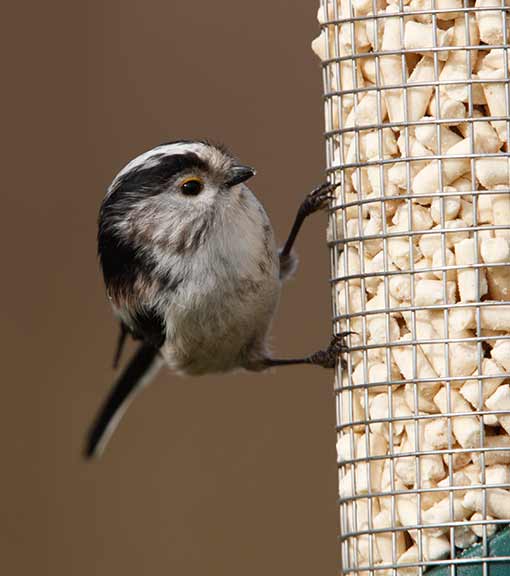
- Long-tailed Tits
- Nuthatches
- Great Spotted Woodpeckers
- Starlings
- House Sparrows
- Robins
- Starlings
Many smaller species, such as Robins and Tits, enjoy suet pellets. Blackbirds and Dunnocks also eat suet pellets, although they are less likely to use hanging feeders.
Is suet safe for birds in summer?
Suet can be offered to birds throughout the summer, but only put out small amounts that birds can finish before the food spoils. In hot weather, choose a suet product designed to resist melting and position the feeder out of strong direct sunlight where possible. All RSPB Super suet is resistant to melting in warm weather.
Offer suet balls, cakes or pellets in a suitable hanging feeder rather than on a bird table, tray or other flat surface. There is increasing evidence that feeding birds on flat surfaces can have negative effects, including the spread of disease, especially among finches. Clean the feeder thoroughly at least once a week, or more often during hot weather, and remove any suet that becomes soft, rancid or spoiled.
Fat balls in nylon mesh should not be fed, as birds can become trapped in it.