
Unhappy with your item? We offer no-quibble free returns

Sourced through ethical and sustainable accreditations

£3.95 standard UK shipping, or free shipping over £40

Every purchase you make supports wildlife
Straight seeds

Feed Seasonally, Feed Safely:
Bird seed and peanuts are now available to purchase again. From 1 November-30 April you can feed garden birds a full range of bird foods, including seed and peanuts. This is because during the colder months natural foods are more scarce and the risk from trichomonosis is lower, so supplementary feeding at this time provides greater support for birds.
Find out more
Our selection of straight bird seeds is an excellent source of food for birds during the cooler months, whether you choose to serve one seed variety or mix them together to create your own bird food mixes.
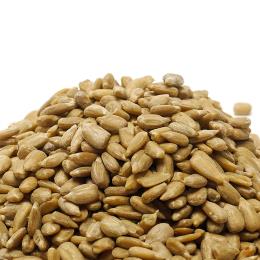
Sunflower hearts and seeds are high in protein, rich in energy-giving oils and attract a range of birds including sparrows, Chaffinches and tits. Nyjer seeds have similar benefits but are great for Siskins and Goldfinches.
Our Premium sunflower hearts are a best-seller and great if you're looking for highly nutritious bird seed that will attract a variety of birds.


Goldfinch food FAQs
What do Goldfinches eat in the wild?
Goldfinches mainly eat small seeds from plants such as thistles, teasels, dandelions and groundsel, using their fine, pointed bills to reach seeds that other birds may struggle to access.
Goldfinches also eat seeds from other wild plants and trees, while insects form a small part of their diet during summer. Leaving plants to flower and keeping their dried seed heads in place can provide Goldfinches with a natural source of food.
What should I feed Goldfinches in winter?
From November to April, the best foods to offer Goldfinches are nyjer seed and sunflower hearts. Nyjer is a particularly small seed and should be offered in a specialist nyjer feeder, while sunflower hearts can be placed in a standard seed feeder.
Keep feeders clean, remove uneaten food and only provide an amount that the birds can finish within one or two days.
What do Goldfinches eat in summer?
During summer, Goldfinches mainly feed on naturally available seeds from plants such as dandelions, thistles and groundsel. They may also eat small insects, particularly during the breeding season.
From 1 May to 31 October, we recommend pausing seeds and peanuts in garden feeders to help reduce the spread of finch trichomonosis. Small amounts of suet or fat balls can still be offered for other garden birds. Goldfinches rarely eat these foods, although an individual bird may occasionally try suet when seeds are not available.
You can also help Goldfinches by allowing suitable plants to produce seed and leaving their seed heads standing.
Seed for birds FAQs
What type of bird food attracts the most birds?
Sunflower hearts are one of the best foods for attracting a wide variety of garden birds. They are energy-rich, easy for birds to eat and popular with species including tits, finches, sparrows, Robins and Nuthatches.
A no-mess sunflower mix is another good option. These mixes combine sunflower hearts with other husk-free ingredients, such as kibbled maize, oats and yellow millet, which can appeal to an even broader range of birds while leaving less waste beneath your feeder. The RSPB No-mess Sunflower Mix is popular with most garden birds, but seeds and peanuts should only be offered during the recommended seasonal feeding period, from November until the end of April.
To attract the widest range of birds, offer food in suitable hanging feeders. Seed feeders are particularly accessible to tits, finches and sparrows, while some Robins may also adapt to using hanging feeders. Blackbirds and other birds that feed mainly at ground level are less likely to use them. During the seasonal seed-feeding pause, small amounts of mealworms can be scattered on clean ground, and any uneaten food should be cleared away by dusk.
Whichever food you choose, only put out as much as the birds are likely to eat, clean feeders regularly and provide fresh water nearby.
What is the best bird seed mix for my garden?
The best bird seed mixes contain a high proportion of sunflower hearts, ideally near the top of the ingredients list. They are rich in energy, easy for birds to eat because the husks have already been removed, and popular with tits, finches, House Sparrows and Robins.
Other ingredients can help attract a wider range of birds or provide variety for less fussy birds:
- Millet and canary seed are suitable for smaller seed-eating birds, including sparrows and finches. The RSPB Feeder mix extra includes yellow millet and canary seed alongside sunflower hearts, sunflower seeds and husk-free oats.
- Husk-free oats and small pieces of maize are often enjoyed by sparrows, Robins, Dunnocks, Woodpigeons and other ground-feeding birds. The RSPB No-grow ground mix combines sunflower hearts, oat flakes, suet pellets and flaked maize and is designed for birds such as Robins, Blackbirds and Song Thrushes.
- Good-quality suet pellets can provide extra energy, especially during colder weather. The RSPB Favourites Blend combines sunflower hearts with suet pellets and dried mealworms, while the Favourites Blend Extra contains a higher proportion of mealworms and suet pellets for additional protein and energy.
Avoid mixes dominated by whole wheat or large pieces of maize, as smaller garden birds may leave much of them uneaten. Wheat is not inherently unsuitable and may be eaten by Woodpigeons, doves, pheasants and some sparrows, but it often makes up a large proportion of cheaper mixes. This can mean that the food attracts a narrower range of birds and creates more waste.
What is no-mess bird seed?
No-mess bird seed contains ingredients with the husks or shells removed, so birds can eat more of the food without leaving piles of discarded seed cases beneath the feeder. No-mess mixes are a good choice if you want to reduce waste and spend less time clearing up after garden birds.
Our No-mess Sunflower Mix combines sunflower hearts, kibbled maize, oats and yellow millet. It is suitable for hanging seed feeders and is particularly likely to attract tits, finches and House Sparrows.
No-mess does not mean that nothing will fall beneath the feeder, as birds may still drop pieces of food, but it should create considerably less mess than unshelled seed. It also does not mean the mix is guaranteed not to grow. Choose a no-grow mix instead if preventing seeds from germinating is your main priority.
Bird seed should only be offered during the cooler months, from November to April. We advise pausing all seed and peanut feeding between May and October, when gathering birds around feeders can increase the risk of disease spreading. During this period, suitable alternatives include mealworms, Flutter Butter and small amounts of suet that does not contain visible whole large seeds.
What bird seed does not germinate?
Sunflower hearts are the main type of bird seed that will not germinate, because removing the outer husk means the seed can no longer grow, and their small, husk-free kernels make them ideal for seed feeders, where they can attract birds including Blue Tits, Great Tits, Goldfinches, Greenfinches, House Sparrows and Nuthatches.
Bird seed mixes should only be offered during the cooler months, from 1 November to 30 April. During the warmer months, choose alternatives such as suet, mealworms or Flutter Butter.