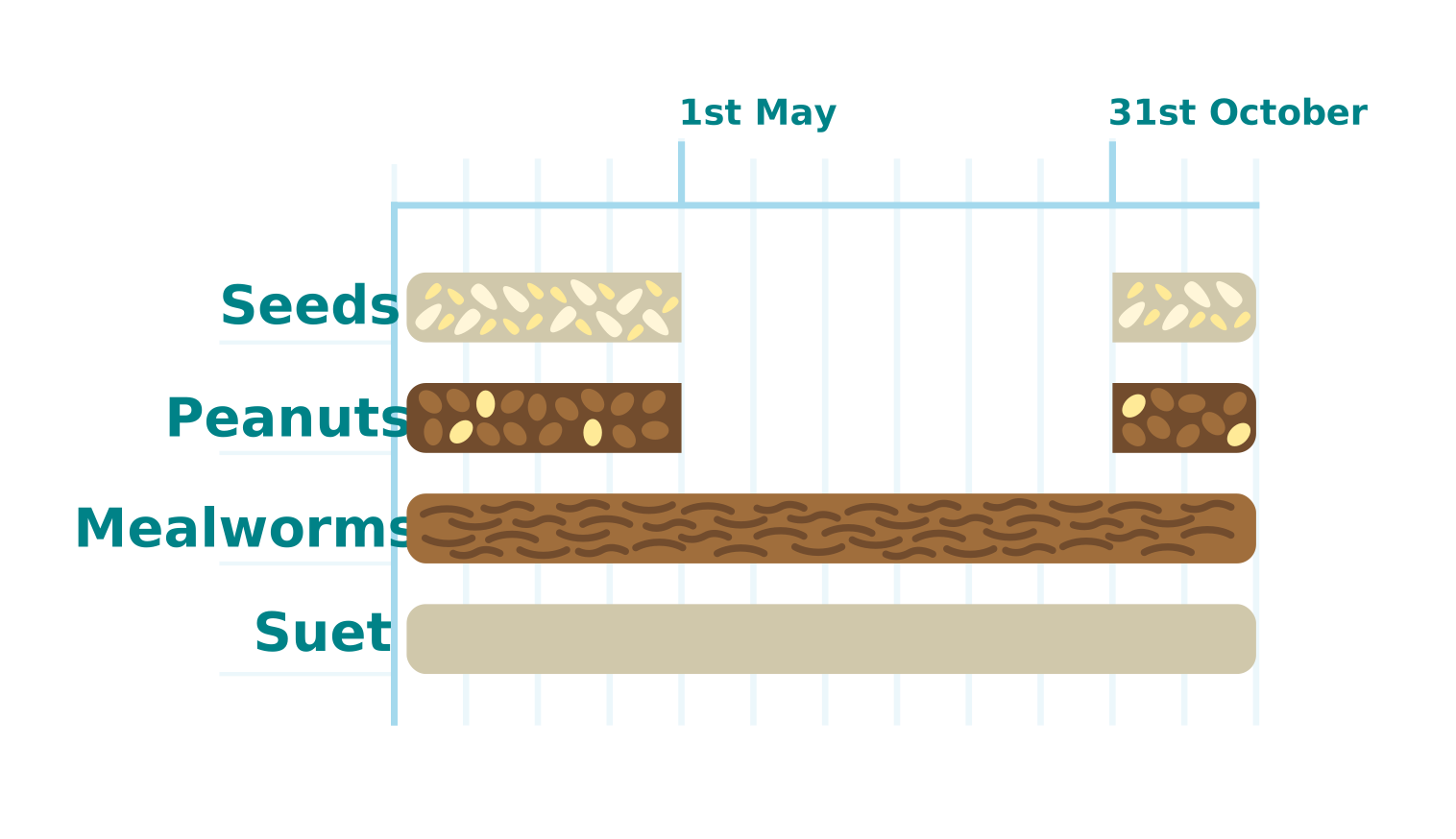
Some bird species are experiencing serious declines due to disease, and research shows that the risk is highest in summer and autumn. Seed and peanuts should therefore only be offered to garden birds during winter and spring, when natural food is scarcer and the risk from trichomonosis is lower. We suggest feeding birds seed and peanuts from 1 November to 30 April.
Seed and peanuts are now available again to buy from RSPB Shop.
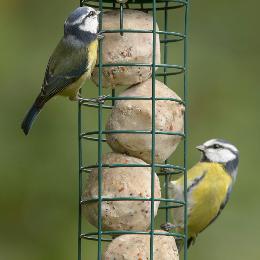
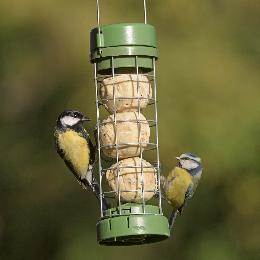
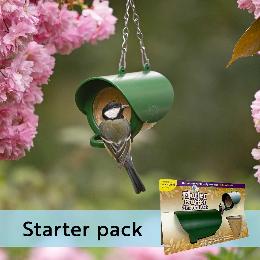
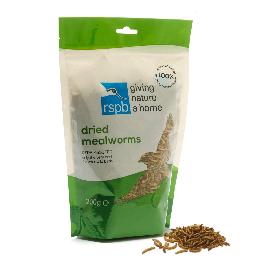
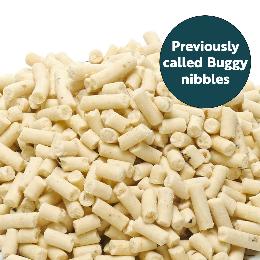
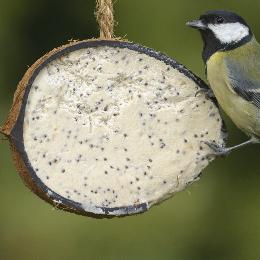
It is okay to continue feeding garden birds mealworms, fat balls, suet and Flutter Butter® all year round.
What's the problem?
Research has shown a worrying decline in some of our much-loved garden birds due to a disease called trichomonosis. This is a highly contagious disease and can spread where birds gather in large numbers such as at bird feeders.
Greenfinches, for example, have dropped by over 65% in the last three decades – and you may have seen this decline yourself. Back when the Big Garden Birdwatch started in 1979 Greenfinches were at number seven in the top ten birds seen. This year they were down to number 18.
We’ve been working with experts to find a solution, and we believe that, together, we can make a difference by feeding birds seasonally and safely.
How you can help
Feed seasonally
- From 1 November to 30 April, when natural food is more scarce and the risk from trichomonosis is lower, it’s okay to offer a full range of foods, including seeds and peanuts.
- The full range of feeding products, including seed and peanuts, is available from 12 October, ready to put them out for the birds on 1 November.
- You can still offer birds small amounts of suet, fat balls, mealworms and Flutter Butter® all year round.
Feed safely
To keep birds healthy, we need to prioritise hygiene.
Clean bird feeders at least once a week. If possible, place your feeders in a different spot after each clean to prevent the build-up of debris underneath. Clean up any old debris.
Clean bird baths weekly and change the water daily, using tap water.

Stop using bird tables and flat-surfaced feeders. This is because research confirms there is a higher risk of the disease spreading on flat surfaces.
For in-depth advice on how to keep your bird feeders and baths clean, take a look at our cleaning guide, which features recommended products and handy tips.
Feeding guidelines
| Food type | When to feed | How to feed | Food should be eaten within: | |
|---|---|---|---|---|
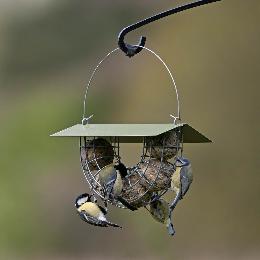
| Suet | All year round | Suet hanging feeder or mesh feeder | Up to 7 days | |
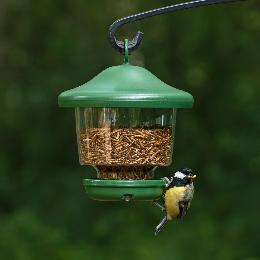
| Mealworms | All year round | Small amounts scattered or in a mealworm feeder | 1 day* | Clear away any scattered mealworms that are uneaten by dusk. |
| Seeds | 1 November - 30 April | Seed hanging feeder | 1-2 days | |
| Peanuts | 1 November - 30 April | Mesh feeder | 1-2 days | |
How we're making changes
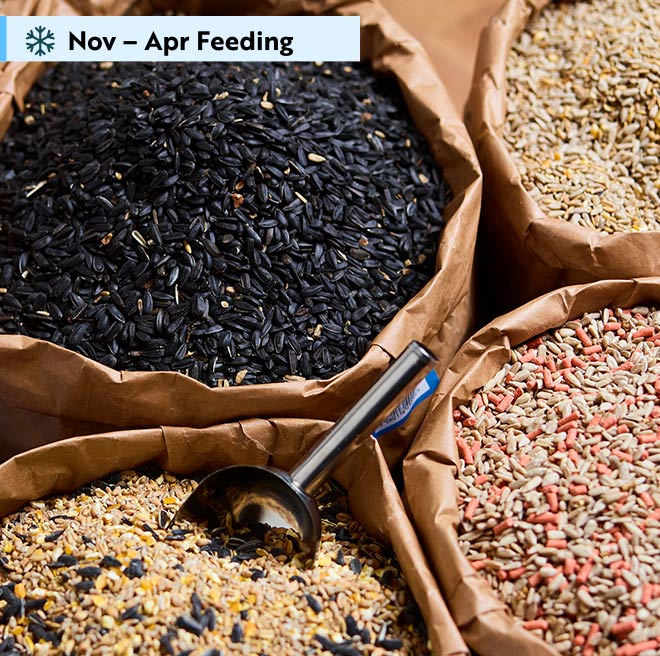
All our relaunched seed and peanut products now come in fully recyclable, paper packaging. We’ve also streamlined our sizing options when it comes to seed and peanuts – now offering small, medium and large for some of our products.
We have new and improved recipes for our Favourites blend and Favourites blend extra. They no longer contain raisins, so they’re now safe to feed in gardens with dogs.
We have also introduced two new seed mixes:
- Robin blend – A tasty mix of sunflower hearts, suet pellets and dried mealworms that has been specially created to attract one of Britain’s best-loved birds, the Robin.
- Big Garden Birdwatch blend - This limited-edition blend has been specially formulated with a nutritious mix of kibbled maize, red and yellow millet, red dari, oats and kibbled peanuts, ideal for giving garden birds energy.
Your questions answered
Should we just stop feeding altogether and only provide natural resources? Is this safer?
Our evidence review found that supplementary feeding does provide benefits to many birds, especially during cold weather when natural food can be in short supply. The period March-April is a period of particular natural food shortage for seed-eating birds sometimes known as the ‘hungry gap’ and feeding during this period is also likely to be important.
Mealworms can boost breeding success and winter foods can improve survival rates. The evidence suggests that supplementary feeding increases bird numbers overall. We also recognise the benefits of feeding birds in gardens to human wellbeing and connection to nature.
Therefore, our updated guidance recognises that providing supplementary food is still beneficial, as long as we all follow the best practice guidance by feeding the right types of food at the right time of year.
I don't get finches in my garden, can I continue to feed as I have done previously?
The evidence is clear that supplementary feeding of seed and peanuts is increasing the spread of trichomonosis amongst birds, and we currently have no effective mitigation to reduce that risk. If we continue to feed birds in the way we do now it is likely that trichomonosis will continue to spread amongst our garden birds and cause further declines in their populations.
We recommend that everyone who feeds birds follows our guidance, irrespective of the species they are seeing in their gardens.
How can I feed ground-feeding birds?
Our updated guidance advises that it is safe to scatter mealworms on the ground, which many ground-feeding birds, such as Blackbirds, Robins and Wrens, love. We would recommend putting out only a small amount that can be eaten within one day, or cleared away by dusk. This will help to prevent there being any left for Hedgehogs, which Hedgehog rehabilitators have raised as a concern. We would not advise scattering other food types on the ground as the food will likely get wet and have a higher risk of harbouring diseases.
We recommend that seeds and peanuts are provided in hanging feeders only. This is because there’s a higher risk of disease spreading on flat feeders like bird tables and trays. Feeding directly on the ground increases the chances of seeds getting wet or damp which carries a higher risk of disease transmission.
If I clean my bird table daily, can I still use it?
We removed tables and flat-surface feeders from sale following the RSPB's evidence review, which indicated that these products pose the greatest risk of disease transmission. The evidence indicates that some birds, particularly finches, can be more exposed to disease when fed on flat surfaces.
Birds that are sick with trichomonosis often perch on flat surfaces where they attempt to feed. The disease makes swallowing food difficult, so they often regurgitate contaminated food back onto the flat surface where it is then available for healthy birds to pick up. Even daily feeder cleaning will not prevent the consumption by healthy birds of previously regurgitated food. For this reason we advise that no flat-surface feeders are used to feed birds.
Products for year-round feeding
The products below are suitable for feeding birds in small amounts throughout the year, provided that feeders are cleaned at least once a week.