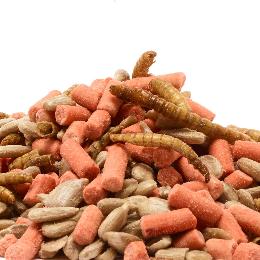
Bird seed for wild garden birds
Some bird species are experiencing serious declines due to disease, and research shows that the risk is highest in summer and autumn. We have therefore paused selling seeds and peanuts from 1 May to 12 October, and we are advising customers to pause feeding seeds and peanuts from 1 May to 31 October. It is okay to keep offering birds mealworms, fat balls and suet all year round.
Products for year-round feeding
The products below are suitable for feeding birds in small amounts throughout the year, provided that feeders are cleaned at least once a week.
What's the problem?
Research has shown a worrying decline in some of our much-loved garden birds due to a disease called trichomonosis. This is a highly contagious disease and can spread where birds gather in large numbers such as at bird feeders.
Greenfinches, for example, have dropped by over 65% in the last three decades – and you may have seen this decline yourself. Back when the Big Garden Birdwatch started in 1979 Greenfinches were at number seven in the top ten birds seen. This year they were down to number 18.
We’ve been working with experts to find a solution, and we believe that, together, we can make a difference by feeding birds seasonally and safely.
How you can help
Feed seasonally
- Pause feeding birds seeds and peanuts from 1 May to 31 October, when there is more risk of the disease spreading. Thankfully, this is also when birds have plenty of natural food available.
- From 1 May to 12 October, the RSPB Shop will not be selling straight seeds, mixed seeds or peanuts. We will be back selling them from 12 October, ready for winter feeding.
- You can still offer birds small amounts of suet, fat balls, mealworms and Flutter Butter all year round.
Feed safely
To keep birds healthy, we need to prioritise hygiene.
Clean bird feeders at least once a week. If possible, place your feeders in a different spot after each clean to prevent the build-up of debris underneath. Clean up any old debris.
Clean bird baths weekly and change the water daily, using tap water.
Stop using flat-surfaced feeders and bird tables. This is because research confirms there is a higher risk of the disease spreading on flat surfaces.
For in-depth advice on how to keep your bird feeders and baths clean, take a look at our cleaning guide, which features recommended products and handy tips.
How we're making changes

In order to protect the garden birds we love, at RSPB Shop we’ve made some changes to align with the new feeding guidance.
From 1 May to 12 October, we will pause selling the following products:
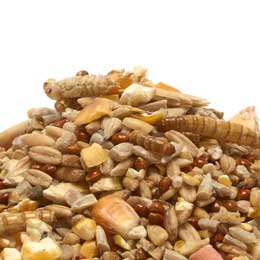
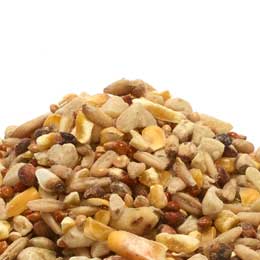
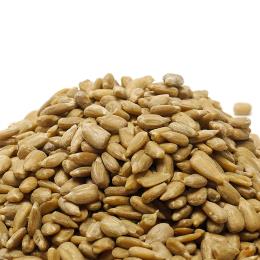
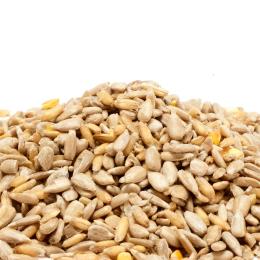
X No-mess sunflower mix
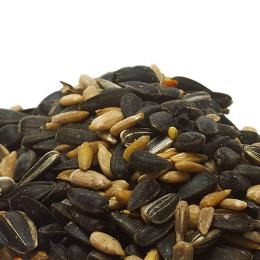
X Favourites blend
X Favourites blend extra
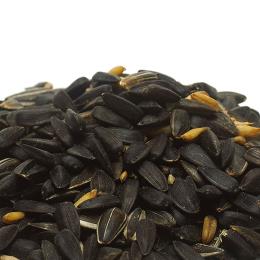
X Nyjer seed
X No-grow ground mix
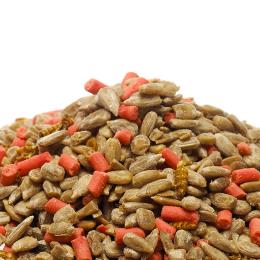
X Feeder mix
X Feeder mix extra
X Premium peanuts
After 12 October, the above products will be available to buy again. This is because research shows it is okay to feed birds seeds and peanuts at this time of year. It is also a time when natural food is its most scarce and so birds need our help more than ever. Then, when April 30 comes around, we will pause selling over the warmer months once again, in order to protect garden birds.
Your questions answered
What’s the problem with seeds and peanuts? Why is it still OK to feed fat balls, suet and mealworms between 1 May and 31 October?
We are currently seeing huge declines in the UK’s Greenfinch and Chaffinch populations, caused by the disease trichomonosis. Finches prefer to eat seeds, but when seeds aren’t available, they will divert to peanuts. As finches rarely eat fat balls, suet and mealworms, we consider these foods low risk when it comes to the spread of trichomonosis.
Why are you still selling seed feeders?
The RSPB seed feeders are designed to be easily dismantled to enable thorough cleaning of the entire feeder. As this is one of the most important factors to help reduce the risk of disease transmission, we want to ensure people still can buy these products all year round in preparation for feeding seed again from November to April.
I don't get finches in my garden, can I continue to feed as I have done previously?
The evidence is clear that supplementary feeding of seed and peanuts is increasing the spread of trichomonosis amongst birds, and we currently have no effective mitigation to reduce that risk. If we continue to feed birds in the way we do now it is likely that trichomonosis will continue to spread amongst our garden birds and cause further declines in their populations.
We recommend that everyone who feeds birds follows our guidance, irrespective of the species they are seeing in their gardens.
How can I feed ground-feeding birds?
Our updated guidance advises that it is safe to scatter mealworms on the ground, which many ground-feeding birds, such as Blackbirds, Robins and Wrens, love. We would recommend putting out only a small amount that can be eaten within one day. We would not advise scattering other food types on the ground as the food will likely get wet and have a higher risk of harbouring diseases.
If I promise to clean my bird table daily, can I still use it?
We removed tables and flat-surface feeders from sale following the RSPB's evidence review, which indicated that these products pose the greatest risk of disease transmission. The evidence indicates that some birds, particularly finches, can be more exposed to disease when fed on flat surfaces.
Birds that are sick with trichomonosis often perch on flat surfaces where they attempt to feed. The disease makes swallowing food difficult, so they often regurgitate contaminated food back onto the flat surface where it is then available for healthy birds to pick up. Even daily feeder cleaning will not prevent the consumption by healthy birds of previously regurgitated food. For this reason we advise that no flat-surface feeders are used to feed birds.
When will I be able to buy bird seed and peanuts again?
We will resume selling seed and peanuts from 12 October, to give customers time to prepare for feeding again from 1 November.