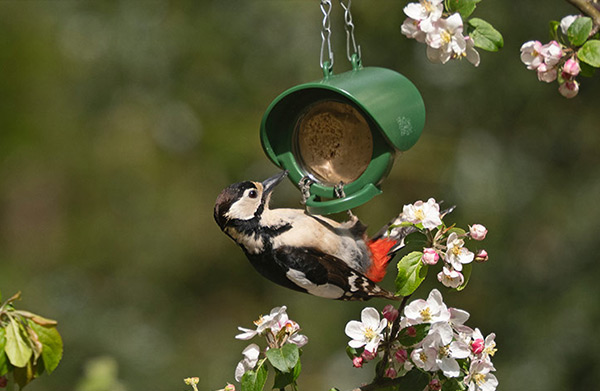
Summer feeding guidelines
Summer is in full swing and it’s the perfect time to sit and enjoy watching birds feeding in the garden. It doesn’t get much better than a warm summer’s morning, cup of tea or coffee in hand as we watch the birds flutter about.
To keep garden birds healthy, we published new guidelines around feeding at this time of year. It is now recommended that between 1 May and 31 October, we pause feeding birds seed and peanuts to help stop the spread of disease. Find out more about the new feeding guidelines.
Whilst this is a big change, it doesn’t mean we need to stop feeding birds altogether – there are still lots of other options for feeding garden birds during the summer months.Can you feed birds in summer?
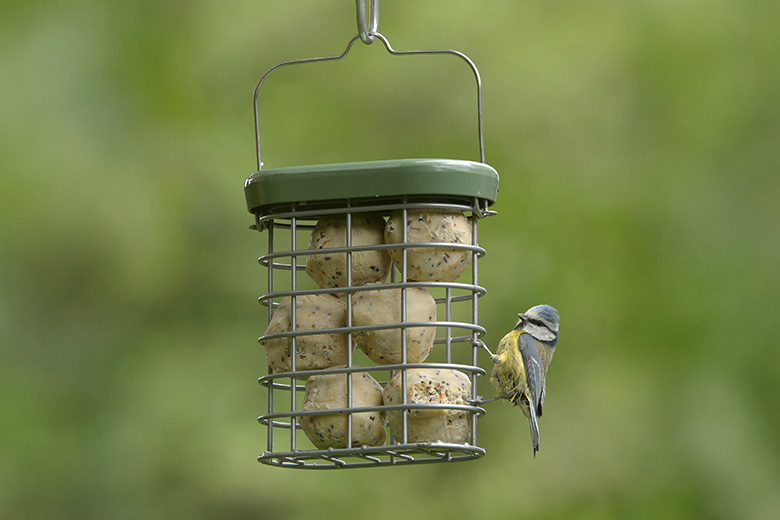
Yes. Between 1 May and 31 October, RSPB recommends avoiding seed and peanuts to help reduce the spread of disease among wild birds. Instead, mealworms, suet and the newest addition to RSPB’s range of bird food, Flutter Butter®, are all fine for feeding birds over the warmer months.
Mealworms
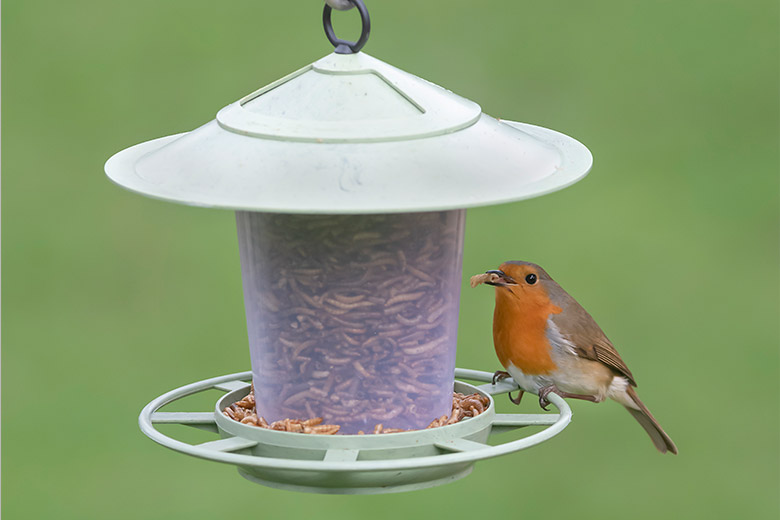
Mealworms are a delicious treat that many garden birds can’t resist, particularly Blackbirds, Robins and tits. They’re rich in protein and calories, making them a great option for birds in need of an energy boost. Supplementary animal protein like mealworms can even help boost chick survival. We recommend soaking mealworms in water during spring and summer, to make them easier to eat for nestlings (not to be placed in a feeder).
Feed mealworms from our specially designed mealworm feeders or sprinkle lightly on the ground, avoiding forming piles and making sure to change up where you sprinkle them over subsequent days. Mealworms should all be eaten or cleared away by dusk the same day (especially if scattered on the ground). This will help to prevent any leftover mealworms being consumed by Hedgehogs, which Hedgehog rehabilitators have raised as a concern.
Suet
Suet is a fantastic, versatile food that is popular with a whole host of garden bird species, including tits, Robins, sparrows and woodpeckers. RSPB Super suet is made from high-quality ingredients, is free from cheap fillers and is resistant to melting in warm weather. We have suet balls, cakes, blocks, bars and pellets available, as well as coconut bird feeders, and even vegan suet, so you really are spoilt for choice.
Flutter Butter®
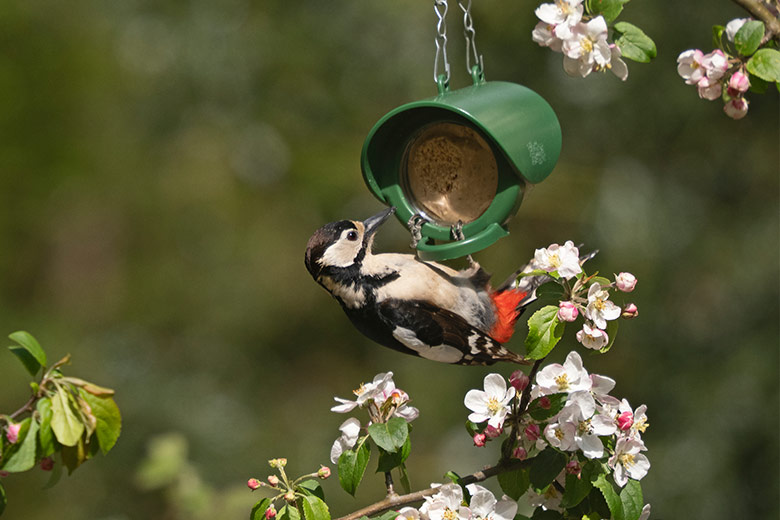
A new addition to RSPB’s bird food offering, Flutter Butter® is a bird-safe alternative to peanut butter. Packed full of protein and low in salt, it’s available in both Original and Vegan varieties and is a great choice for a variety of garden bird species.
Feeding Flutter Butter® couldn’t be easier – simply pop an EcoRefill into the pod, slot it into your feeder and you’re good to go. We have both starter kits and individual feeders available to buy, alongside the EcoRefill packs.
Cleaning is key
Of course, keeping on top of cleaning is absolutely essential when feeding birds, all year round. Ensure you clean your bird feeders at least once a week, and, if possible, change up where you place your feeders after each clean to prevent a build-up of debris underneath.
Stop using flat-surfaced feeders and bird tables. This is because research confirms there is a higher risk of the disease spreading on flat surfaces.
For in-depth advice on how to keep your bird feeders and baths clean, take a look at our cleaning guide, which features recommended products and handy tips.
Why have the new bird feeding guidelines been put in place?
Research has shown a worrying decline in some of our much-loved garden birds due to a disease called trichomonosis. Greenfinches, for example, have dropped by over 65% in the last three decades. This is a highly contagious disease and can spread where birds gather in large numbers such as at bird feeders.
We’ve been working with experts to find a solution, and we believe that, together, we can make a difference by feeding birds seasonally and safely.